.png)
Why Most Adults Are Micronutrient Hungry (Even If They “Eat Healthy”)

By Coach JB
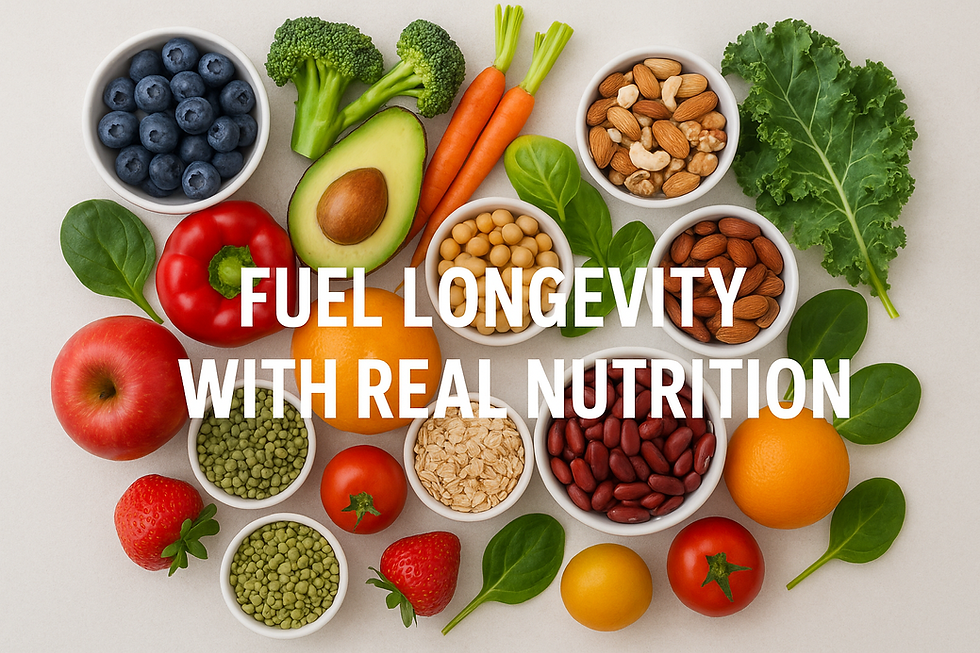
Why Most Adults Are Micronutrient Hungry
You might think that if you eat “pretty healthy” you are covered. You skip the fast food, load your plate with vegetables, pick lean proteins over processed meals, maybe even cut back on sugar.
But what if I told you that even people who follow those habits are often missing critical vitamins and minerals their body needs and why most adults are micronutrient hungry?
A recent worldwide study covering 185 countries found that most people do not get enough of multiple essential vitamins and minerals. That includes many nutrients older adults need most. Hidden hunger is real, even for folks who think they eat “right.”
If you are over 50 and focused on living longer with strength, energy, mobility, and mental clarity you cannot ignore this. This is not about chasing the latest fad diet. It is about giving your body what it really needs to thrive.
Here is how this global research applies to you, why nutrient intake often falls short, and practical steps you can take now to close the gap.
Why “Healthy Eating” Does Not Always Cut It
The study looked at 15 essential vitamins and minerals and compared daily diet intakes against what experts recommend across nearly every country in the world.
What they found is alarming. Over two thirds of people globally do not get enough iodine. Vitamin E and calcium are also critically low. Many also lack enough iron, vitamin C, magnesium, folate, riboflavin and more.
This problem does not only happen in poor or developing nations. Even in wealthy countries, where food is abundant, many people still miss key nutrients, even when they think their diet is “decent.”
Why does this happen? There are several reasons:
Modern food supply often lacks nutrient density. Even if you eat mostly real food you may still miss certain nutrients.
As you get older your body’s needs and its ability to absorb nutrients change. Your nutritional needs at 50+ are not the same as when you were younger.
Busy lives, processed convenience foods, and dieting or training habits can leave gaps.
Many multivitamins are not designed for older adults or active people. Their formulas may not match what you need.
So yes, you could be “eating healthy” and still be missing important nutrients your body needs.
Why Micronutrients Matter. Especially as You Age
Vitamins and minerals do not provide calories. They don’t build big muscles overnight. They rarely show quick changes the way a heavy workout does. But they quietly support essential body functions.
Here is why they matter for healthspan and healthy aging:
They help your body turn food into usable energy. Without enough of them, you might feel tired or low on energy even if you eat enough.
They support bone strength and joint health. Calcium and certain minerals help protect bones and joints. That matters a lot when you are getting older and want mobility to stay strong.
They support brain health, immune function, and cellular repair. Nutrients like vitamin C, E, iron, folate, and others help your brain stay sharp. They help your body recover, protect against oxidative stress, and keep your immune system ready.
They help recovery and resilience. As you age, your body recovers slower. Good nutrition gives your body what it needs to bounce back and stay healthy over time.
If you care about living longer and better, with energy, mobility, strength, and good health, getting enough nutrients is not optional. It is essential.
Why Fitness-Minded or Whole-Food Eaters Are Still at Risk
You might think: “I eat whole foods, I avoid junk, I train, I take care of myself.” That is good, but it does not guarantee you meet every nutrient need.
Studies show that even athletes, bodybuilders, and people on nutrition-focused diets often fall short of recommended micronutrient intakes. Active people put extra stress on their bodies, which increases the need for certain nutrients.
Even a balanced whole-food diet can fall short if it leans heavily on certain foods. For example, a lot of protein with few vegetables, or limited variety in produce. Also, modern farming and food processing can reduce nutrient content in food. Aging can make absorption less efficient.
So discipline, healthy habits and training are all important. But they do not automatically protect you from hidden nutrient gaps as you age.
What the Science Says: Big Picture and What It Means for You
The global analysis published in 2024 looked at diet data from 185 countries and estimated intake of 15 essential vitamins and minerals across the world population. The results are shocking. Most people globally, including many in rich countries, do not consume enough iodine, vitamin E, calcium and many other vital nutrients.
For you, especially as someone interested in longevity, this means you cannot assume you are “safe” just because you avoid junk food and eat fairly well. Hidden hunger does not care about good intentions or decent habits.
If you want to keep your energy high, recovery fast, joints strong, bones healthy, immune system ready, brain sharp, and body capable for years to come, you need to pay attention. Adequate nutrition matters. Real nutrition matters.
Why Multivitamins Are Not Always Enough
At this point you might think: “Okay, I will just take a multivitamin. Done.” That seems easy. But relying only on a pill is risky and often not enough.
Many multivitamins are made for “average” nutrient needs. They may not meet the higher demands of someone over 50 or someone who is active. The amounts, combinations, and nutrient forms may not match what your body needs now. Absorption can be a problem. Some nutrients compete with each other. Some work best when paired with other nutrients found only in food.
Supplements can help close gaps. But they are a backup. Not a substitute for real food. A pill alone cannot replace a balanced diet designed for long-term health.
Practical Steps to Close the Micronutrient Gap
If you want to live stronger, healthier, full of energy, mobile, and active as you age, here is a practical plan you can start today:
Track your food for a few days: Write down everything you eat for 3–5 days. Include vegetables, grains, fruits, protein, dairy, nuts, seeds. Then compare what you eat with recommended nutrient guidelines. This will show where you might be missing important vitamins or minerals.
Eat a wider variety of whole foods: Focus on variety: leafy greens, a rainbow of vegetables, lean meats or fish, legumes, nuts and seeds, whole grains, dairy or dairy alternatives. Rotate foods often and avoid sticking to just a few favorites.
Adjust for your age, activity, and health goals: As you age or train more, your nutrient needs change. Calcium and vitamin D become more important for bones. Antioxidants like vitamin C, E, selenium, zinc help with recovery and reduce oxidative stress. Nutrients like iron, B-vitamins, magnesium, minerals support energy, metabolic health, and overall function.
Use supplements only if needed, and choose quality: If your diet falls short, consider a quality multivitamin or targeted supplements. Choose products made for older or active adults. Look for high-quality nutrient forms that are more easily absorbed. Use supplements as a fallback and not your base plan.
Reassess regularly: Every few months check your diet, and consider basic blood work (especially for iron, vitamin D, B-vitamins, minerals). As your body changes so will your nutritional needs.
Why This Matters More After 50
When you are in your 50s or beyond what you put in really matters. Micronutrient gaps can show up as low energy, slow recovery, weaker bones or joints, slower healing, reduced strength, brain fog, weaker immunity, and less resilience.
But giving your body what it needs means you can maintain strength, mobility, energy, and health deep into your 60s, 70s, and beyond. You give yourself the tools your body needs to age well, to stay active, to stay independent, to keep living with quality.
If you care about your healthspan, not just living longer but living better, paying attention to real nutrition is not optional.
If you want a real nutrition checkup and help to close your micronutrient gaps, send me a message with the words “Nutrition Review”. I will help you log your diet, compare it to what your body needs, and build a plan based on your age, activity level, and health goals.
If you want to live with energy, strength, mobility and clarity for decades to come let’s do it together.


Comments