.png)
Smart Fitness Training for Women Over 40


Train Smart Through Midlife Strength
Many women over 40 walk into the gym feeling like they are trying to get back to something. Back to a number on the scale. Back to a body they had decades ago. Back to the version of themselves before careers, children, and responsibilities filled every corner of life.
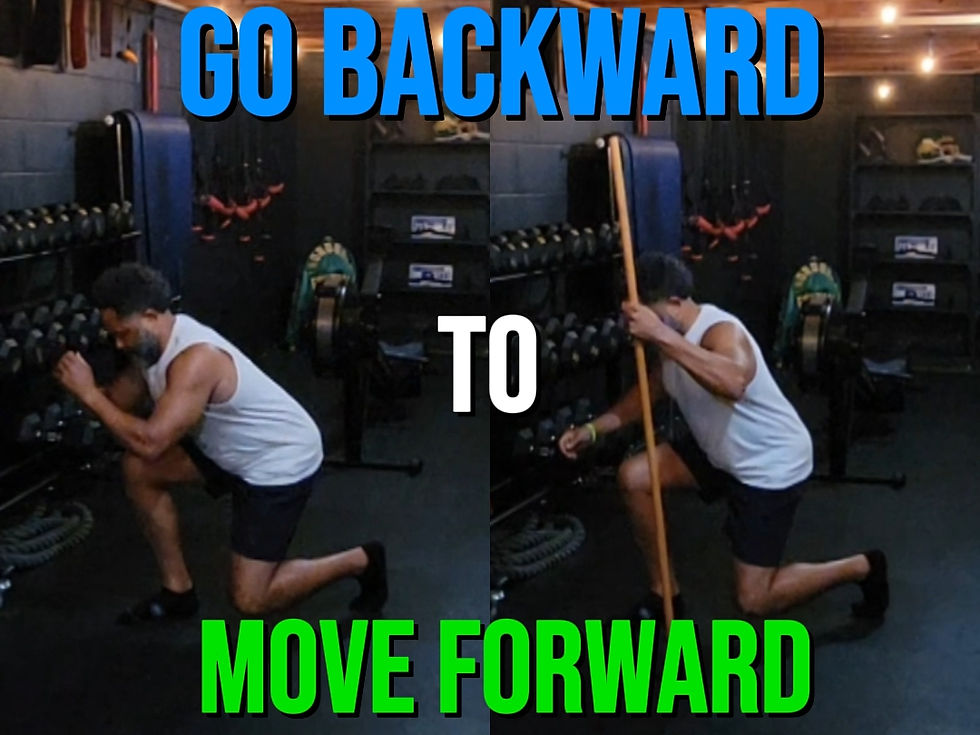
But training in your forties and fifties is not about going backward. It is about building forward.
This stage of life represents a shift in priorities. Fitness is no longer just about how your body looks in a mirror. It becomes about how your body functions, how well you move, and how much strength and independence you can maintain for the decades ahead.
Strength training after 40 is not about vanity. It is about vitality. It is about protecting bone density, maintaining muscle mass, supporting joint health, and preserving the ability to move confidently through daily life. Carrying groceries, lifting luggage, getting up off the floor, or chasing grandchildren around the yard should feel like normal parts of life, not physical challenges.
The goal now is not to chase a younger version of yourself.
The goal is to build the strongest and most capable version of yourself moving forward.
Why Training Changes After 40
As women move into their forties, the body begins transitioning through perimenopause and eventually menopause. During this time, hormones such as estrogen and progesterone begin to fluctuate and gradually decline. These changes influence several important systems in the body, including muscle maintenance, bone density, metabolism, and recovery.
Research from experts like Stacy Sims has shown that women remain highly capable of building strength and improving fitness throughout midlife. However, the approach to training may need to shift slightly. The body may require a stronger stimulus from resistance training, along with more intentional recovery strategies.
Lower estrogen levels can affect muscle protein synthesis, which means the body may not build or maintain muscle as easily without proper training and nutrition. Bone density can also begin to decline, making strength training an essential tool for protecting skeletal health. At the same time, many women notice that recovery takes longer than it did in their twenties or thirties.
None of these changes mean that women should train less. Instead, they highlight the importance of training with purpose. A well designed program that includes resistance training, cardiovascular conditioning, and mobility work can help maintain strength, support metabolism, and protect long term health.
Navigating the Fitness Noise
The modern fitness industry can be overwhelming, especially for women over 40. Social media is filled with advertisements promising quick solutions for menopause weight gain, hormone balance, or fat loss. Detox teas, restrictive diets, and trendy workout programs are often marketed as miracle fixes for midlife changes.
Unfortunately, most of these solutions focus on short term results rather than long term health. They often rely on extreme calorie restriction, excessive cardio, or complicated protocols that are difficult to maintain.
The truth is that the most effective strategies for midlife fitness are not flashy. They are built on simple, evidence based principles that support strength, movement, and recovery.
Programs that prioritize resistance training, consistent physical activity, adequate nutrition, and quality sleep tend to produce the best results over time.
When evaluating new fitness advice, it can be helpful to ask a few simple questions.
Is the approach supported by research or credible coaching experience?
Does it emphasize strength and health rather than just weight loss?
And most importantly, can it realistically be sustained for years rather than weeks?
Filtering information through this lens can help women focus on strategies that truly support their health and well being.

Smart Fitness Training for Women Over 40: Strength Training as the Foundation
Strength training should serve as the foundation of any fitness program for women over 40.
Muscle plays a critical role in metabolic health, joint stability, and physical independence.
Maintaining and building muscle mass helps regulate blood sugar, supports healthy body composition, and improves overall resilience.
A well structured strength training routine typically includes two to four sessions per week.
These workouts should focus on compound movements that train multiple muscle groups simultaneously. Exercises such as squats, deadlifts, rows, presses, and loaded carries mimic real world movement patterns and build functional strength that translates directly into everyday life.
Training with resistance also sends an important signal to the body to maintain bone density. This is especially important during and after menopause, when declining estrogen levels can increase the risk of osteoporosis.
Strength training is not about lifting the heaviest weight possible. It is about progressively challenging the body in a safe and controlled way so that muscles, bones, and connective tissues continue to adapt and grow stronger.
Cardiovascular Training
Cardio is still important, but the goal is not endless hours on the treadmill.
The focus should be building cardiovascular fitness while supporting recovery and metabolic health.
A combination of moderate aerobic training and short higher intensity intervals works well.
For example:
Two to three moderate sessions such as brisk walking, cycling, or rowing.
One short interval session per week to maintain cardiovascular power.
Mobility and Joint Health
Mobility becomes increasingly important after 40.
This is not about extreme flexibility. It is about maintaining healthy ranges of motion in the hips, ankles, and shoulders.
Five to ten minutes of mobility work before workouts and light stretching afterward can make a significant difference in joint health.
Sample Weekly Training Program
Here is a simple and effective weekly structure.
Example Training Week
Monday
Full Body Strength Training
Tuesday
Brisk walk or cycling for 30 to 40 minutes
Wednesday
Full Body Strength Training
Thursday
Mobility session and light activity
Friday
Full Body Strength Training
Saturday
Interval cardio session or recreational activity
Sunday
Rest and recovery
Sample Strength Workout
Perform three sets of each exercise. 8 to 10 repetitions per set.
Goblet Squats
Dumbbell Romanian Deadlifts
Incline Pushups or Dumbbell Bench Press
Seated Rows or Resistance Band Rows
Farmer Carries
Core Plank Holds
This style of workout trains the entire body while supporting bone density and muscle development.
Training Through Perimenopause and Menopause
Women often experience new challenges during perimenopause.
Sleep disruptions, energy fluctuations, and increased stress can make workouts feel harder than they used to.
The key is adjusting intensity and recovery while maintaining consistency.
During high stress weeks, prioritize strength sessions and low intensity cardio.
During weeks when energy is higher, push a bit harder with resistance training or intervals.
The goal is not perfection.
The goal is sustainability.
Nutrition That Supports Training and Hormones
Nutrition plays a significant role in how women feel, recover, and perform during midlife. One of the most common challenges is under consuming protein, which is essential for maintaining muscle mass and supporting recovery after workouts.
Many experts recommend aiming for approximately 25 to 35 grams of protein per meal to support muscle repair and metabolic health. Good protein sources include eggs, poultry, fish, Greek yogurt, lean beef, tofu, and legumes.
Carbohydrates are also important, particularly around workouts. Whole grains, fruits, potatoes, and other minimally processed carbohydrates provide the energy needed to train effectively. When combined with protein, they help replenish glycogen stores and support recovery.
Healthy fats from foods such as avocados, nuts, seeds, and olive oil contribute to overall health and can support hormone balance during midlife. These nutrients work together to create a dietary pattern that fuels activity while supporting long term health.
Hydration and sleep should not be overlooked either. Proper hydration supports circulation and energy levels, while consistent sleep helps regulate hormones, support recovery, and maintain cognitive health.
What to Do Outside the Gym
The hours outside the gym matter just as much as the workouts themselves. Daily movement such as walking, gardening, hiking, or recreational sports keeps metabolism active and joints healthy.
Quality sleep supports hormone balance, muscle recovery, and cognitive health.
Stress management through activities such as meditation, journaling, or time outdoors helps keep cortisol levels balanced.
Think of your health like a three legged stool.
Training
Nutrition
Recovery
If one leg is weak, the entire system becomes unstable.
The Bigger Picture
Smart fitness training for women over 40 is not about chasing a younger body. It is about building a stronger future.
Every workout is a deposit into the woman you will be at 60, 70, and beyond.
The woman who moves well.
Who stands tall.
Who lifts heavy things without fear.
The woman who refuses to fade quietly into aging.
Muscle is your retirement plan.
Mobility is your insurance policy.
Consistency is your superpower.
Training after 40 represents an opportunity to redefine what strength and health look like in midlife. Rather than chasing a younger version of themselves, women can focus on building a body that supports the life they want to live moving forward.
Strength training protects muscle and bone health. Cardiovascular exercise supports heart health and endurance. Mobility work maintains joint function and movement quality. Nutrition and recovery provide the foundation that allows these systems to work together.
Each workout becomes an investment in the future. The goal is not perfection but consistency over time. Small efforts repeated week after week build a powerful foundation for long term health and independence.
Women who commit to strength training during midlife often discover something surprising. Instead of feeling like their best years are behind them, they begin to feel stronger, more capable, and more confident than they have in decades.
The strongest chapter may not be behind you.
It may be the one you are building right now.


Comments