.png)
Overcoming Exercise Barriers After 50: Reclaim Strength & Confidence

Updated: Oct 20, 2025
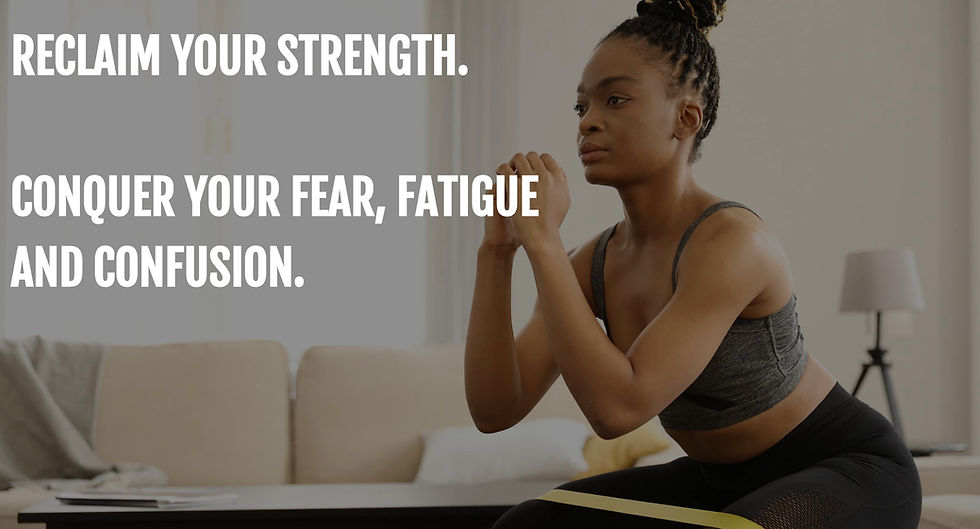
Overcoming Exercise Barriers After 50
Many midlifers want to stay strong, active, and independent, but overcoming exercise barriers after 50 can feel daunting.
Between fear of injury, low energy, and confusion about what works, it’s easy to lose confidence and momentum. But here’s the truth: strength and vitality aren’t lost with age, they’re regained through consistency, clarity, and smart movement.
Let’s explore how you can reclaim your power, one step at a time.

The Hidden Barriers Keeping You From Strength After 50
Millions of people over 50 know exercise matters, yet many still don’t move enough. The problem isn’t a lack of willpower. It’s fear, fatigue, and confusion.
Let’s break down each one and show how to move through them.
1. Fear of Injury or Pain
One of the biggest reasons people avoid exercise is fear. Concerns about arthritis, falls, or re-injury are real, but they can be managed, not magnified.
Here’s what the science says: Regular strength training can reduce joint pain, increase bone density, and improve balance.
A 2023 study in the Journal of Aging and Physical Activity found that older adults who engaged in progressive resistance training improved muscle strength by over 30% while reporting less pain and greater mobility.
The key is controlled progression. Start with guided, low-load movement patterns that reinforce joint stability, like chair squats, wall push-ups, or banded rows, and slowly increase resistance. You’ll build confidence through consistency, not intensity.
Bottom line: Movement done right is medicine for aging joints.
2. Fatigue and Low Energy
Let’s be honest, midlife fatigue can hit hard. Between work, family responsibilities, and disrupted sleep, the idea of working out can feel exhausting before it even starts.
But here’s the irony: the very thing you think will drain you is often the thing that fuels you.
Exercise increases mitochondrial density (your cells’ energy engines) and improves sleep quality, two major factors that battle fatigue. Even short bouts of movement, 10–15 minutes of strength or walking, can kickstart your body’s natural energy production.
Try this:Replace one “scroll break” each day with a quick set of squats, light resistance band work, or a 10-minute walk outdoors. It’s not about burning calories, it’s about restoring vitality.
3. Confusion About Where to Start
Conflicting advice. Intimidating gyms. Programs designed for 25-year-olds instead of 55-year-olds.
No wonder so many people feel stuck.
The solution isn’t to follow what’s trendy, it’s to follow what’s appropriate.
A smart, staged plan for people over 50 includes three essentials:
Mobility before intensity. Warm up your joints and muscles to prepare for safe movement.
Strength over sweat. Prioritize resistance training 2–3 times per week to protect muscle and bone mass.
Progress, not perfection. Track how you feel as much as how you look.
Consistency with these principles beats any fancy fitness gadget or “12-week challenge.”
How to Start Reclaiming Strength Now
You don’t need hours in the gym or a complicated plan. You just need structure, guidance, and accountability.
Here’s a simple starter plan:
Add 10–15 minutes of bodyweight or light dumbbell movements twice per week.
Build a 5-minute mobility warm-up before your daily routine, ankle circles, hip hinges, and shoulder rolls.
Join a guided program or work with a coach who understands how to progress training safely after 50.
Over time, those small actions become your foundation. The more you move, the stronger you feel, and the less those fears and doubts matter.
Mindset Matters: Confidence Is a Muscle
Every time you show up, you’re reinforcing a new identity, not just as someone who “works out,” but as someone who moves with purpose.
Strength training after 50 isn’t just physical, it’s emotional resilience in motion. It’s choosing confidence over fear, energy over fatigue, and clarity over confusion.
Progress comes from stacking small wins. Each session, each rep, each intentional choice is proof that you are stronger than your barriers.
Why This Matters for Longevity
Strength is the foundation for healthspan, the number of years you live strong, mobile, and independent.Research from the British Journal of Sports Medicine shows that maintaining muscle mass and grip strength in later life directly correlates with reduced risk of chronic disease and mortality.
When you overcome those barriers and build back strength, you’re not just improving today, you’re investing in 10, 20, even 30 more years of freedom.
The Path Forward
If fear, fatigue, or confusion have held you back, remember this: they’re signals, not stop signs. You have more control, and potential, than you think.
Start where you are.
Build slowly.
Stay consistent.
Your body responds beautifully when given the right attention.
Ready to overcome the barriers and build strength that lasts?
Let’s create a fitness and nutrition plan tailored for your age, energy, and goals.
Book your free 15-minute Success Strategy Call and discover how to move with confidence, regain energy, and live your strongest years yet.


Comments