.png)
Food Addiction or Just Overeating? Understanding the Difference Without the Guilt
- Jon Brown

- Jun 2
- 3 min read
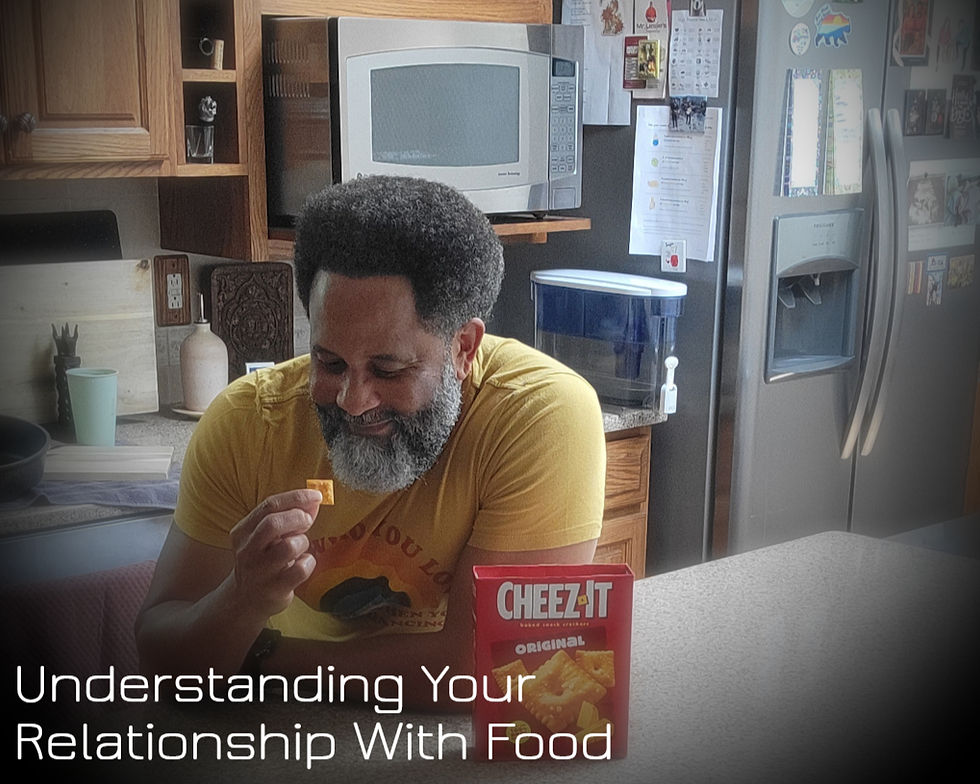
Have you ever caught yourself saying, "I'm addicted to chips," after polishing off half a bag during movie night?
Most of us have.
But is that actually food addiction, or is it simply normal overeating?
The distinction matters because understanding the difference can help you build a healthier relationship with food without piling on unnecessary guilt or shame.
Let's start with an important truth: humans are designed to enjoy food.
If eating wasn't pleasurable, our ancestors probably wouldn't have spent much time searching for it. Enjoying a juicy burger, fresh summer berries, or even a warm chocolate chip cookie is completely normal. In fact, researchers refer to this as hedonic eating, which simply means eating for pleasure rather than purely for energy.
And yes, occasionally overeating is normal too.
Thanksgiving dinners happen. Birthday cake happens. Vacation buffets happen. Most people occasionally eat beyond fullness and move on without much thought.
Food addiction, however, looks very different.
While researchers continue to study the topic, food addiction is generally characterized by patterns that resemble other addictive behaviors. It is not simply enjoying food too much or lacking willpower.

One of the biggest warning signs is a loss of control.
A person may intend to eat a small portion of a particular food but repeatedly find themselves consuming far more than planned. Afterward, they may feel frustrated, guilty, or confused about why they couldn't stop.
Another sign is escalation.
Over time, larger amounts of food may be needed to achieve the same sense of comfort, pleasure, or emotional relief. Similar to turning up the volume on your favorite song because it no longer sounds as loud as it once did, some people find themselves needing more food to achieve the same emotional effect.
Food addiction can also involve constant mental preoccupation.
Instead of food being one enjoyable part of life, thoughts about eating, planning meals, obtaining specific foods, or recovering from overeating begin taking up a significant amount of mental space. Relationships, work, hobbies, and daily responsibilities can sometimes take a back seat.
Some individuals also experience withdrawal-like symptoms when highly palatable foods are unavailable. They may feel irritable, anxious, restless, or emotionally uncomfortable until they eat those foods again.
Perhaps most importantly, food addiction often continues despite obvious negative consequences. Someone may experience unwanted weight gain, digestive issues, worsening health markers, low energy, or emotional distress, yet still feel unable to change the behavior.
Current research suggests that food addiction is influenced by a complex combination of biology, psychology, environment, and life experiences. Highly processed foods that combine sugar, fat, and salt can activate reward pathways in the brain. Some individuals may be more sensitive to these effects than others.
Food addiction also appears to be more common among people with histories of chronic dieting, significant stress, trauma, emotional neglect, or environments where highly processed foods are constantly available while nutritious options are limited.
The good news?
Awareness creates opportunity.
Whether you're struggling with occasional overeating or a more compulsive relationship with food, the first step is becoming curious rather than critical.
Instead of asking, "What's wrong with me?" try asking, "What's happening around me when this occurs?"
Are you stressed?
Lonely?
Overworked?
Bored?
Exhausted?
Many eating behaviors are attempts to solve a problem that has little to do with hunger.
One strategy I use with clients is helping them identify their personal triggers. Once we understand what drives the urge to eat, we can begin building alternative coping strategies.
That might include taking a walk, calling a friend, practicing deep breathing, journaling, strength training, spending time outdoors, or simply creating more opportunities for rest and recovery.
Another helpful approach is paying attention to how foods make you feel rather than labeling foods as "good" or "bad." This shift often reduces guilt while helping people make more intentional choices that align with their health goals.
The goal isn't perfection.
The goal is creating a relationship with food where you feel empowered, in control, and capable of making choices that support your health, energy, and longevity.
Is it food Addiction or Just Overeating?
Remember, struggling with food does not mean you're weak. It means you're human.
And like any habit, your relationship with food can improve with awareness, support, and the right tools.
If you've been wondering whether your eating habits are helping or hurting your health, know that you don't have to figure it out alone.
Your relationship with food is about more than calories.
It's about habits, emotions, stress, environment, and awareness.
If you're tired of feeling stuck in cycles of overeating, emotional eating, or confusion around nutrition, I'd love to help.
Click the button below to schedule your FREE Nutrition Strategy Session and let's create a personalized plan that helps you build a healthier relationship with food while supporting your long-term health and longevity goals.


Comments